
– by Anu Batsuren
Batsuren Battumur was born on October 18, 1967, in the Uvs province of Mongolia. He was the oldest of three sons birthed by Ondogoo Legtseg and Battumur Darjaa. He was raised by his loving grandparents in the northern countryside of Mongolia, where access to basic needs was much more limited. Living in the countryside meant taking care of livestock, melting the snow to drink or access water, riding horses, and being carried by his grandmother to school. Mongolia has extreme weather conditions but the places he grew up had the most extreme weather in the whole country, with winter temperatures below zero and the summers scalding hot.
At the age of eleven, he left Uvs to go to Ulaanbaatar, the capital of Mongolia, to become a traditional dancer like his father. He was accepted into the School of Arts in Ulaanbaatar, where professional dancers and musicians were trained and taught. He lived in the dormitories there from the age of eleven until sixteen. He would wake up every morning at six and go to sleep at ten at night. General education with common core subjects was taught for four hours and the rest of the time would be spent studying and working on the arts that they want to pursue. The school he was enrolled in was run by communists from Russia, and they had made the school an advanced school to allow students to graduate as soon as possible to pursue their professions.
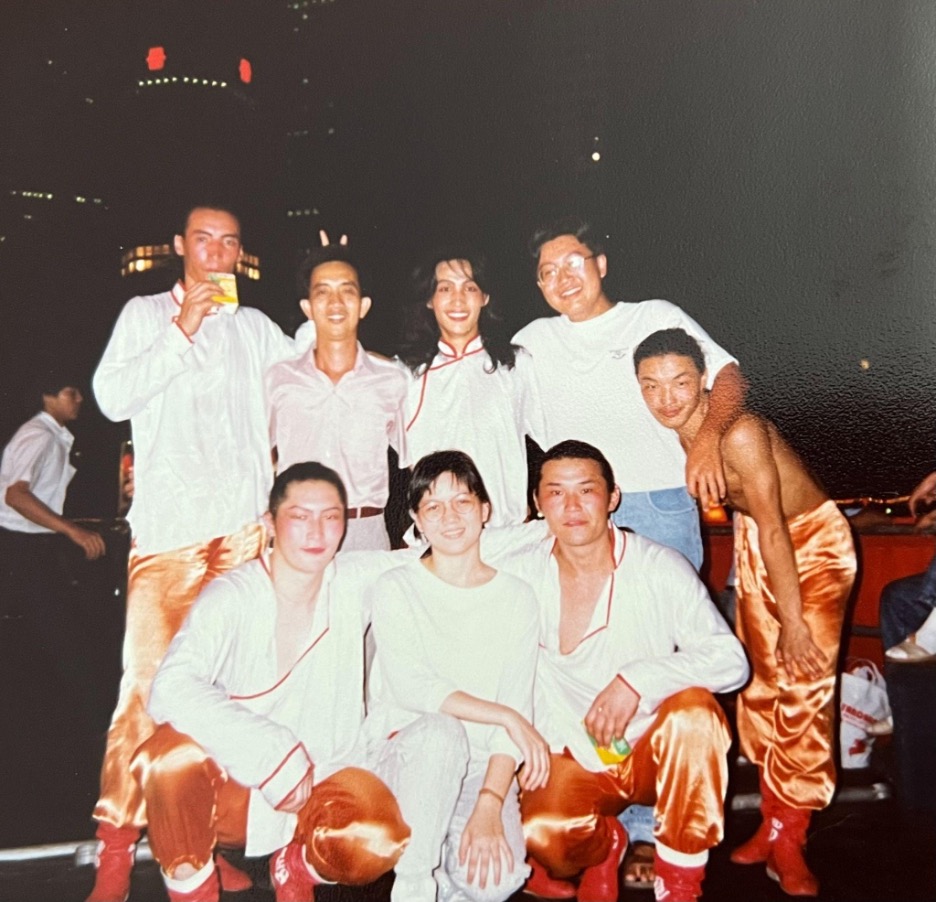
In 1984, he got his first job as a traditional dancer in the most competitive place to dance in Mongolia, the State National Song and Dance Academic Ensemble of Mongolia. This ensemble was run by the government, making him a government worker. They were the youngest professional dancers in the theatre. When their teacher saw them first he had an idea about the first Mongolian traditional ballet ensemble. They were preparing for that traditional ballet for about 3 years. They had an opportunity to play the main roles which consisted of the sky (blue), milk (white), fire (red), green (land/earth), and yellow (intelligence/joy). While they preparing ballet they were advertising Mongolian art to outside foreign countries. This meant that he was given a rare opportunity to be able to travel the world and do what he loves: dance. It was impossible to travel in Mongolia before 1990 since communism didn’t allow Mongolian citizens to leave. The first place he was able to travel to was Moscow for the 12th World Youth Festival, a festival that only invited communist countries.
From the beginning of his career until he retired, Battumur was able to travel to twenty-seven European countries, and seventeen Asian countries, and met the Queen of England as well. He was well-recognized in a majority of these countries as a great performer and was granted many titles. The Mongolian government honored him was an Appreciation Medal for being an outstanding citizen and government worker. He received a gold medal for “Best Performance” in Mongolia. He also became acknowledged as a “Great Citizen” in Vietnam because of his performances. Not only that, he had greeting cards with his pictures sold in Germany from 1997-2000. He was also recognized in a Taiwanese newspaper for his amazing performances; they highlighted how empowering and beautiful his dances were.
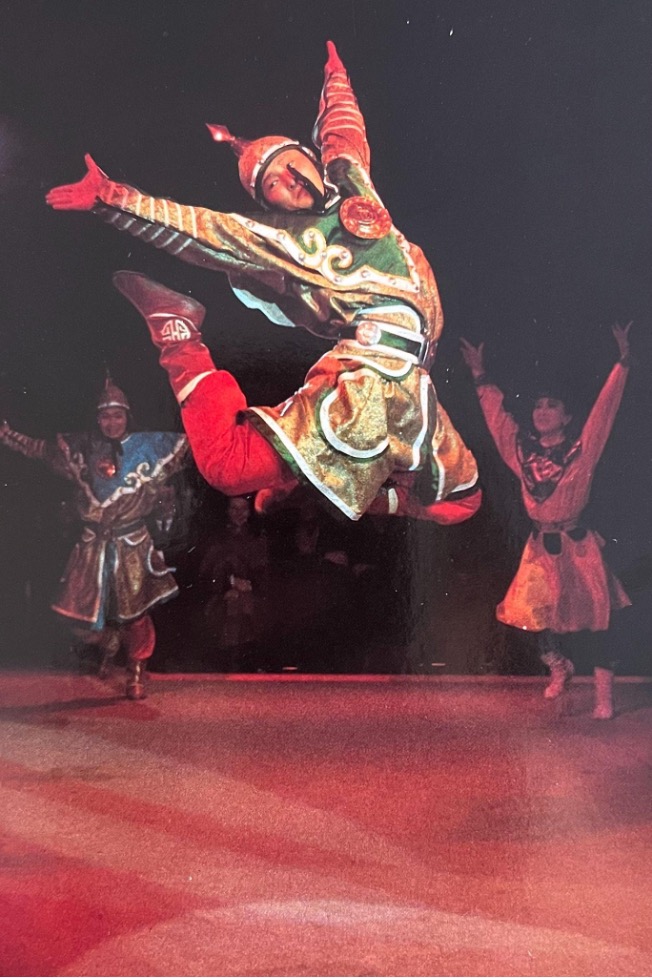
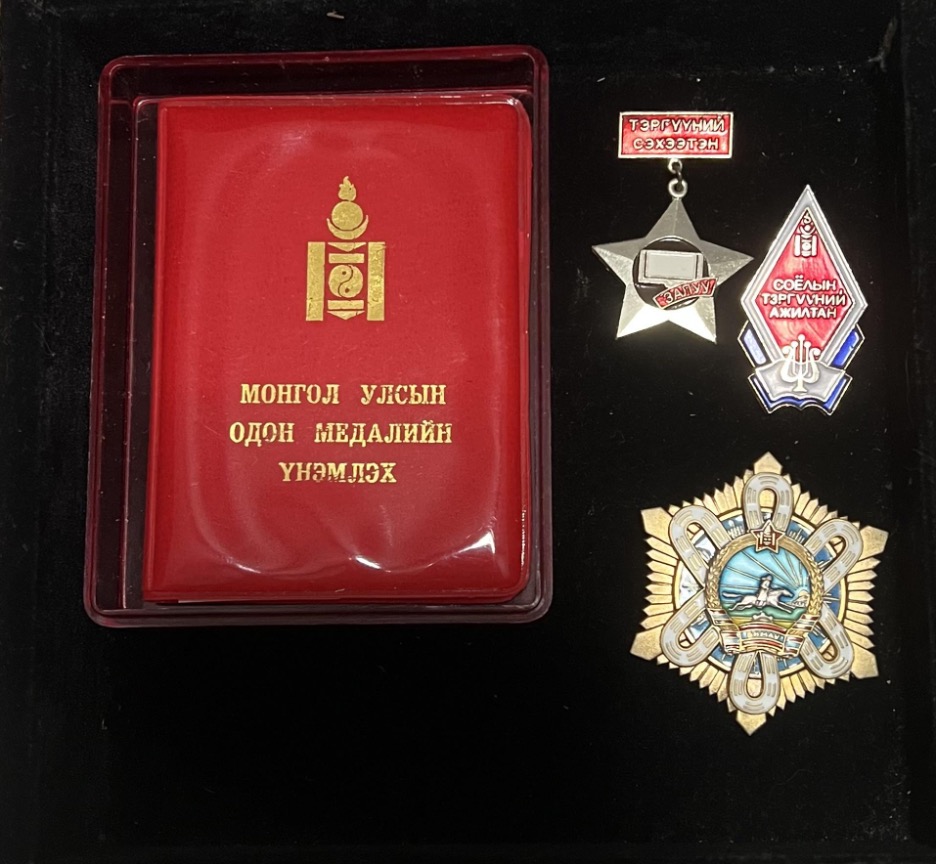
In 2003, Battumur eventually decided it was time to settle down. Communism in Mongolia was no longer integrated into the country, so he was finally able to travel to the country he now lives in: America. He lived in New Jersey for a few months before his wife was pregnant with her first child, so they decided to settle down in Tacoma, Washington. They came to Tacoma in the middle of 2003 and were one of the first few Mongolian families to settle down in Washington state. The Mongolian community was extremely small at the time, rising to around fifty people in 2004. Battumur saw this as an opportunity to get the community together and eventually became an active member of the Mongolian Association in Washington State. He was able to bring Mongolian culture and traditions to Washington and integrate them back into everybody’s lifestyle. Lunar New Year was one of the holidays he helped bring to life; even though nobody was related to each other, they all participated in it and made it work like they were still in their home country. He also helped the Mongolian community participate in Naadam (a traditional holiday) and keep the traditions alive. He is highly regarded in the Mongolian community and would always be described as the star of the party.
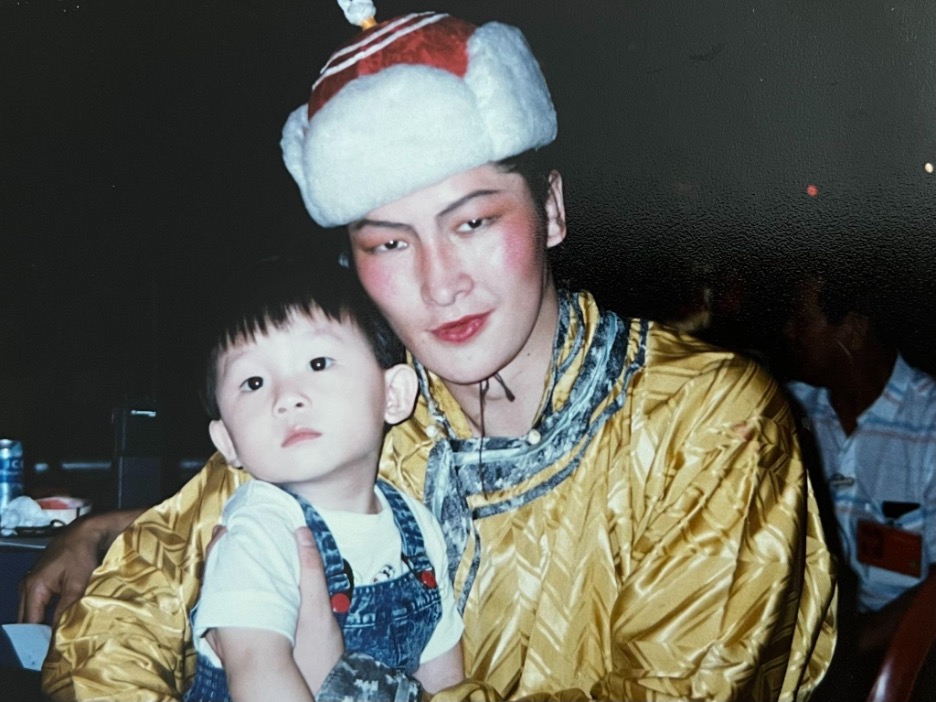
Nowadays, Battumur still resides in the Tacoma area and still helps with projects around the area. His most recent project was becoming a Santa Claus character for a Nutcracker event in New Jersey at his friend’s ballet. After settling down with his wife, he raised two kids and was able to make his American dream come true. He is a humble man who sees the shining diamond in a dusty area. Moving to a country he was unfamiliar with was a drastic change in his lifestyle. His American dream has always been to have his kids grow up to be healthy and have success in whatever careers they may choose, and he is fulfilled with what has been given to him. Although he does not speak English, he is a wise man and is quite intelligent. Within the last 19 years, he has grown to have a green thumb and is always doing yard work in his free time. He also has a cat named Bean, whom he loves to cuddle and spend time with. Even though his life isn’t as extravagant as before, he is satisfied with what he has and is always saying how grateful he is.
About the Author
Anu Batsuren prepared this profile of her father as her final project for TARTS 225: Musical History of Tacoma, taught by Kim Davenport at the University of Washington, Tacoma. At the time she took the class in Summer Quarter 2023, she was a junior.
 Tales of Tacoma